Trying to decide between a brand-new build and a resale home in St. John? You are not alone. Your timeline, budget for upgrades and maintenance, and preference for neighborhood character all play a role. In this guide, you will see the real tradeoffs, local steps, and a simple way to match your goals to the right choice. Let’s dive in.
New vs. resale: quick snapshot
- New construction: More customization, modern systems, and warranty coverage. Often higher price per square foot and a longer timeline to move in.
- Resale homes: Faster closings and mature lots with established neighborhood feel. May cost less upfront but can require renovations and maintenance.
- Local fit: In St. John, both options are available across subdivisions and established streets. Proximity to commute corridors and amenities often matters more than new vs. resale alone.
Move-in timeline in St. John
- New construction timelines vary. Inventory or spec homes can be ready sooner, while a lot-to-build plan can take many months. Weather, inspections, and material lead times can impact schedules.
- Resale homes usually close in 30 to 60 days if inspection and title are smooth. This can be helpful if you are targeting a school-year or job start date.
- If you need a guaranteed date, ask builders about backlog and available inventory homes, or lean toward resale with motivated sellers.
Price and total cost
- New construction often comes with a premium for new materials, builder profit, and upgraded finishes. You may also see higher initial property assessments.
- Resale homes can be priced lower than comparable new builds. Some established neighborhoods still command premiums, especially where lot sizes are larger.
- Remember total cost. Budget for near-term maintenance on resale or upgrade markups on new builds. Compare final dollars, not just list price.
Customization and finishes
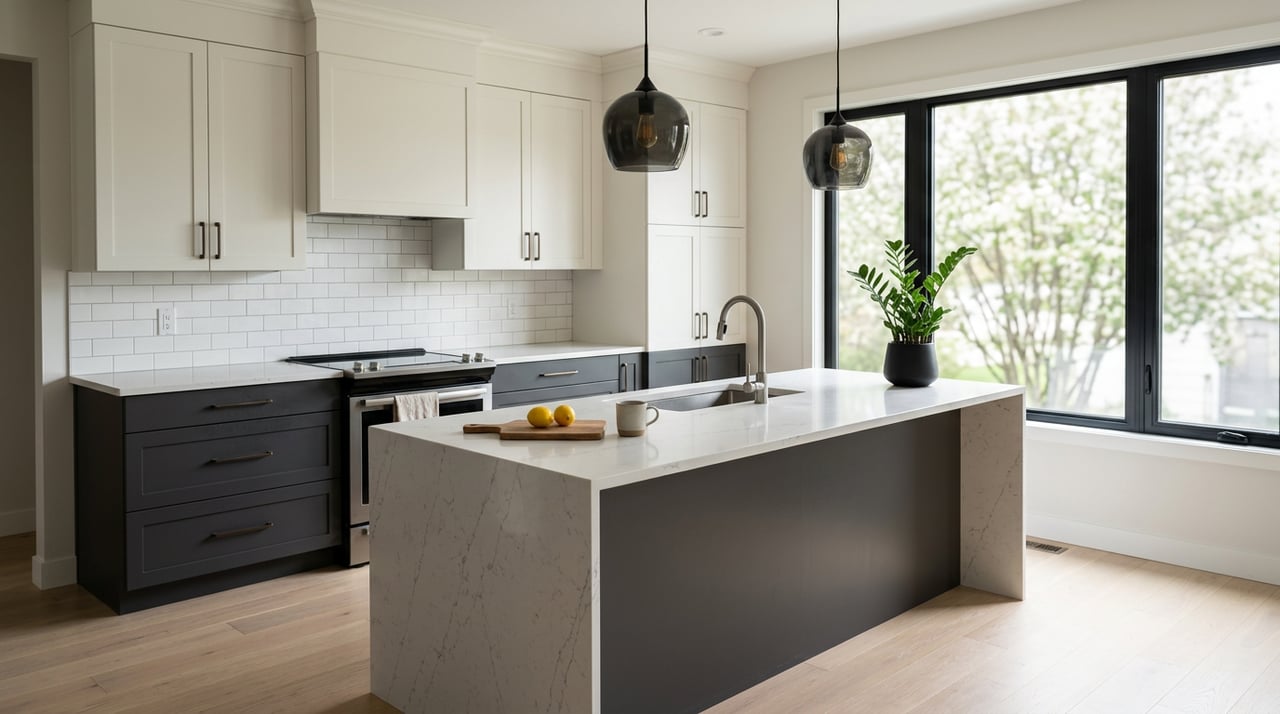
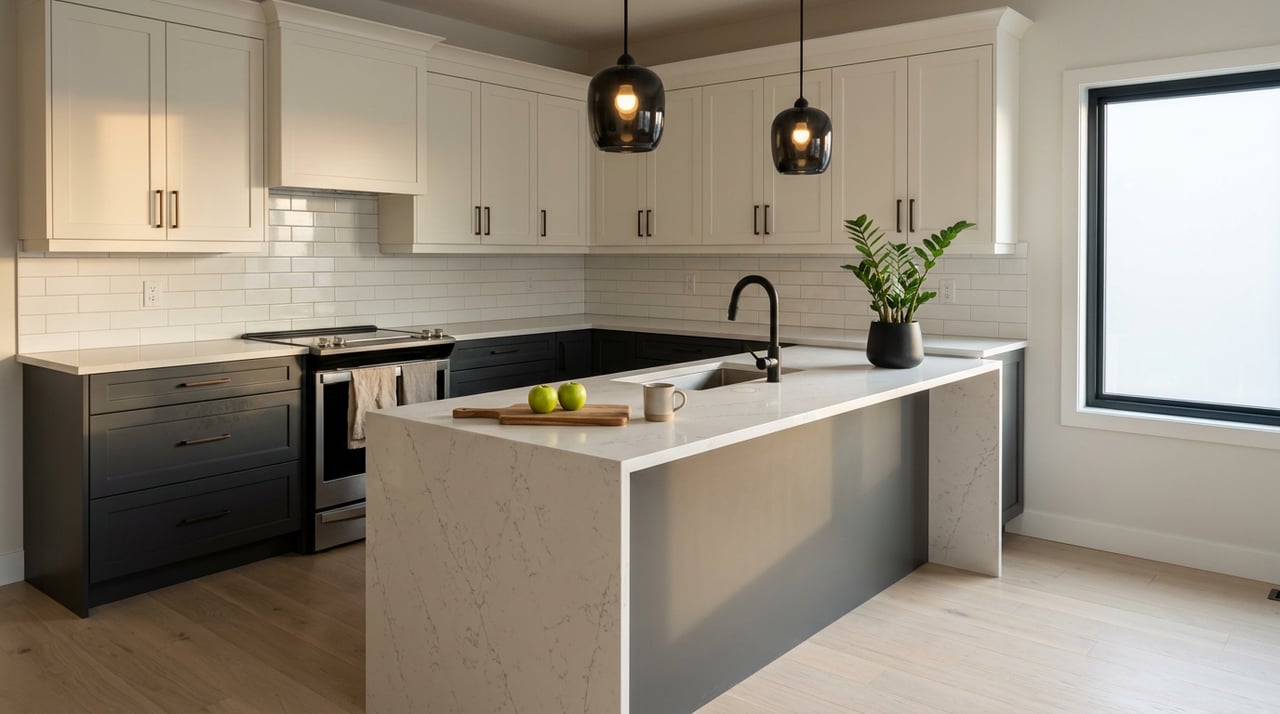
- New construction gives you the chance to select floor plans, layouts, and finishes when you buy early in the process. Builders offer options with set allowances that can add up.
- Custom builders offer more flexibility but usually at higher cost and with longer timelines. Inventory homes limit choices but speed up move-in.
- Resale homes are as-is unless you plan renovations. Updates can deliver exactly what you want, but they add contractor sourcing, time, and potential surprises.
Lots, landscaping, and HOAs
- New subdivisions may feature smaller, lower-maintenance yards, uniform setbacks, and planned amenities. Many include active HOAs, CC&Rs, and design rules.
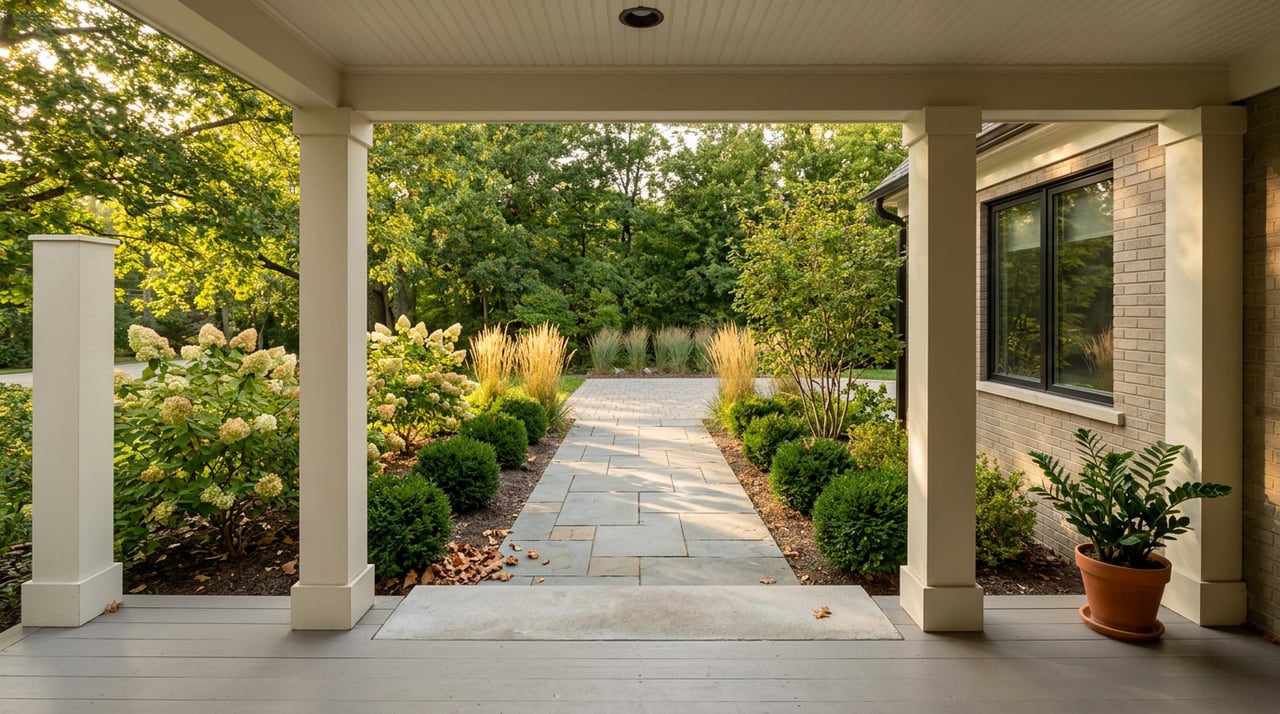
- Established neighborhoods in St. John often have mature trees, varied lot sizes, and long-set landscaping. These features boost privacy and curb appeal but can increase upkeep.
- Review HOA budgets, reserves, and fee schedules before you commit. Ask about any potential special assessments and enforcement policies.
Warranties and inspections
- Many builders use a 1-2-10 warranty format: one year for workmanship, two years for major systems, and 10 years for structural items. Always verify coverage, exclusions, and transferability.
- Even with new builds, schedule independent inspections at pre-drywall and final walkthrough. Document punch-list items in writing with deadlines.
- For resale, a strong inspection contingency is essential. You can negotiate repairs or credits based on findings.
Energy efficiency and code
- New homes must meet current building codes, which typically means better insulation, windows, HVAC efficiency, and tighter building envelopes than older homes.
- Energy savings vary by construction quality and how you live in the home. Ask about any energy performance data and system specifications.
- With resale, factor in potential upgrades like windows, insulation, or HVAC to improve comfort and lower bills over time.
Financing and appraisal
- For new construction, financing can include construction-to-permanent loans, lot loans, or standard mortgages for completed homes. Construction loans may require higher down payments and interim interest-only payments.
- Longer build times introduce interest-rate risk if your rate lock does not cover the entire period. Confirm rate-lock terms before you sign.
- Appraisals rely on comparable sales. In new subdivisions with limited comps, appraisal gaps can occur. Be ready to address a shortfall with additional cash, incentives, or price adjustments.
Negotiation levers and incentives
- Resale negotiation often hinges on inspection results, days on market, seller motivation, and nearby comps.
- New construction incentives can include closing cost contributions, upgrades, or rate buydowns, especially on inventory homes or in softer markets.
- Compare the total net cost after incentives and upgrades. A slightly higher base price with meaningful incentives may still be the better value.
Which path fits you
- Choose new construction if you want low near-term maintenance, modern layouts, and warranty coverage, and you can wait for the build or find an inventory home.
- Choose resale if you want to move soon, prefer mature landscaping and established neighborhood character, or aim for a lower entry price and are open to renovations.
- If you want customization without the wait, look for builder inventory that still allows finish selections.
Local steps for St. John buyers
- Work with a local St. John and Lake County agent who can pull neighborhood comps for both new and resale options and compare total cost.
- Check taxes with the Lake County Assessor and Treasurer to understand current and projected property taxes.
- Contact the Town of St. John building and planning departments for approved subdivision plats, active permits, and builder lists.
- Get preapproved with local lenders. If considering a construction loan, ask about down payment, draw schedules, and rate-lock options.
- Visit target neighborhoods at different times of day to evaluate traffic, noise, and community activity.
- Confirm school boundaries and any pending rezoning that could affect services or taxes.
Checklist: new construction
- Request builder references, recent local builds, and visit model homes.
- Get warranty terms, claim procedures, and coverage limits in writing.
- Ask for a sample closing statement and an itemized upgrade price list.
- Read the HOA CC&Rs, budget, and reserve study before signing.
- Arrange independent inspections at pre-drywall and final walkthrough.
- Clarify deposit handling, lender options, and refund rules.
Checklist: resale homes
- Schedule a thorough home inspection; add specialists for roof, HVAC, sewer/septic, or radon if needed.
- Review utility bills, recent permits, and maintenance history.
- Ask about any recurring issues such as basement water or foundation repairs.
- Obtain a comparative market analysis with 6 to 12 months of comps.
Universal prep
- Set a realistic budget for moving, immediate projects, landscaping, and HOA setup fees.
- Rank your priorities: timeline, customization, lot size, maintenance tolerance, and commute.
- Compare homes side by side on total cost, not just price per square foot.
Next steps
Choosing between new construction and resale in St. John is not about a right or wrong answer. It is about aligning your timeline, budget, and lifestyle with the best option available today. If you want help comparing communities, incentives, and resale opportunities, our family-led local team is here to guide you from first tour to closing.
Have questions or want to see both paths side by side? Contact the Gina Guarino Group. Let Our Team, Be Your Team.
FAQs
Are builder warranties comprehensive on new homes in St. John?
- Builder warranties cover specific items for set periods, often in a 1-2-10 format, with exclusions and defined claim procedures, so review the written terms carefully.
Will a new construction home lower my utility bills in Lake County?
- New builds typically meet current codes with better insulation, windows, and HVAC, which can reduce bills, but actual savings depend on materials and how you use the home.
Do new homes always cost more than resale in St. John?
- New homes often cost more per square foot due to materials and builder margins, though incentives and reduced near-term maintenance can offset some of the difference.
How fast can I close on a resale home in St. John, IN?
- Many resale transactions close in 30 to 60 days if inspection, appraisal, and title work proceed without delays.
Are HOAs common in new St. John subdivisions?
- Many planned new communities have active HOAs with dues, CC&Rs, and design rules, so review budgets and policies before you commit.
Should I get inspections on a new build in St. John?
- Yes. Independent inspections at pre-drywall and at final walkthrough help catch issues early and document punch-list items while you are under warranty.
What is a lot premium in new construction around St. John?
- Builders may charge premiums for corner, wooded, or open-space lots or for larger parcels; compare the total cost, including any premium and upgrades, to nearby resale options.