Thinking about a place where you can walk to the beach, skip yard work, and lock up with peace of mind when you travel? For many buyers, that points to a condo on or near Venice Island. You want the lifestyle but also clarity on costs, rules, insurance, and resale. This guide gives you a clear picture of how condo living in Venice works, what you’ll likely pay, and the red flags to watch before you buy. Let’s dive in.
Venice condo living: the day to day
Building types and locations
In Venice, you’ll find low-rise and mid-rise buildings along the Gulf and on Venice Island, plus inland condo communities and maintenance‑free villas around the mainland and golf corridors. Many island addresses sit within a short bike ride of beaches and the historic downtown. To get a feel for the area’s coastal vibe and walkability, explore the city overview on Visit Florida’s Venice page.
Typical amenities
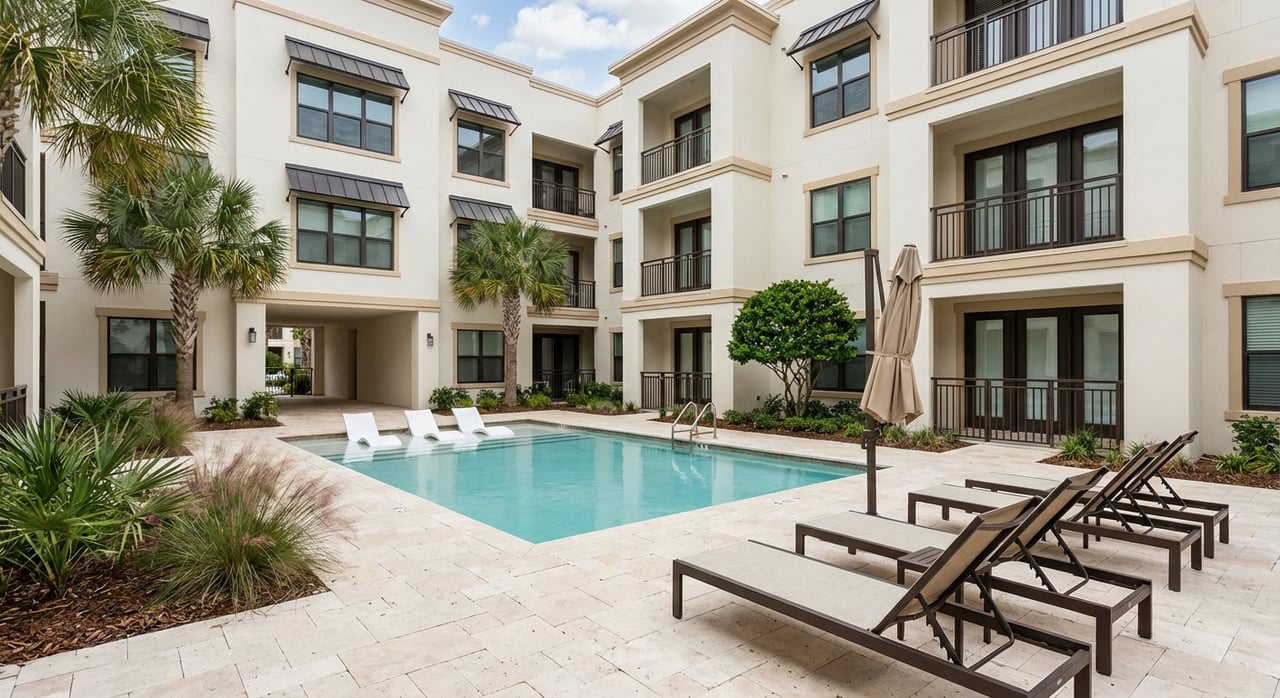
Most associations offer a pool, clubhouse, fitness room, and landscaping care. Taller buildings often include elevators, secure entries, and covered parking. Some waterfront communities offer beach access or boat slips. More amenities usually mean higher monthly condo fees.
Seasonal rhythm and travel
Venice runs on a seasonal clock. Expect busier beaches and restaurants during peak months, which also drives rental demand in associations that allow it. If you travel often, regional airports like SRQ keep lock‑and‑leave living practical. You can compare airport options near Venice using this quick airport reference.
Monthly costs to plan for
Owning a condo means your monthly budget combines mortgage and taxes with association fees, insurance, and occasionally assessments. Here’s what to expect.
HOA and condo fees
Condo fees typically cover building exterior care, roof maintenance, landscaping, pool and common‑area upkeep, elevator service in taller buildings, management, reserves, and the association’s master insurance policy. The exact scope is defined in the association’s governing documents under the Florida Condominium Act. You can review the structure of association responsibilities in Florida Statutes, Chapter 718.
In Venice, smaller inland or limited‑amenity buildings might be a few hundred dollars per month. Mid‑range projects are often several hundred. Amenity‑rich waterfront buildings can exceed $800 to $1,000 per month. Older coastal buildings have seen larger increases due to insurance and repairs, so budget conservatively if you want Gulf‑front living.
Special assessments and reserves
Florida’s post‑Surfside safety laws require structural inspections and stronger reserves. Those inspections sometimes uncover deferred maintenance that leads to one‑time special assessments. Plan for the possibility, especially in older coastal buildings. The state’s milestone inspection law explains why these projects are surfacing now. You can read the requirements in Florida Statutes, Section 553.899.
Insurance: master policy and HO‑6
Your association carries a master policy that insures the building as outlined in its declarations. You will still buy an HO‑6 condo policy for interior finishes, personal property, liability, loss assessment, and additional living expenses. The master policy type matters. It may be bare‑walls, walls‑in, or all‑in, which changes your HO‑6 limits. These responsibilities are defined within the Florida Condominium Act.
Florida condo insurance premiums run higher than the national average, and master policy deductibles for wind can be significant. Many owners add loss‑assessment coverage to help if the association issues an assessment tied to an insurance deductible. For a practical overview of Florida condo insurance costs and coverage options, see this Florida condo insurance guide.
Flood and hurricane risk
Flood insurance pricing now uses FEMA’s Risk Rating 2.0, which prices risk by individual property characteristics. Two units in the same zone can see different premiums based on elevation, distance to water, and construction details. Sarasota County adopted revised FEMA flood maps in 2024, which shifted some properties into or out of special flood hazard zones. Always request current flood quotes early and ask for an Elevation Certificate if available. Learn how Risk Rating 2.0 works on FEMA’s NFIP Risk Rating page.
Rules, inspections, and lending you should know
Milestone inspections and building health
Florida now mandates milestone inspections for buildings that are three or more habitable stories at 30 years of age, or earlier in some coastal circumstances, then every 10 years. Associations must share those reports with owners. Many coastal buildings have already completed Phase I or II engineering and some have repair plans underway. Inspections and repairs can be costly, which is why these rules affect fees and resale. The full statute is here: Florida Statutes, Section 553.899.
Financing and project eligibility
Condo financing is not just about your income and credit. Lenders also need the building to meet project standards. They review reserves, special assessments, repair needs, structural concerns, owner‑occupancy ratios, and litigation. If a project is flagged for significant deferred maintenance or unfunded repairs, it can be ineligible for some conventional loans. That can limit buyers to cash or portfolio financing, which affects resale. You can see how lenders evaluate projects in Fannie Mae’s project standards.
Rental rules and local licensing
If rental income is part of your plan, review the condo’s governing documents for minimum lease periods and frequency limits. Short‑term rentals often face stricter rules. Florida also requires licensing and tax compliance for vacation rentals. Local programs vary by city. For example, the City of Sarasota operates a vacation‑rental certificate program with a minimum‑stay rule for registered units. That example shows how rules can differ by municipality and association. See the city’s vacation rental program overview for context.
Pros and cons vs single‑family homes
Pros
- Lower exterior maintenance and no yard work.
- On‑site amenities like pools, fitness rooms, and secure entries.
- Easier lock‑and‑leave living for snowbirds and frequent travelers.
- Often closer to beaches and downtown shopping or dining.
Cons
- Less private outdoor space and more shared walls.
- Building rules on pets, renovations, and vehicle storage.
- Potential for higher dues or special assessments, especially after structural inspections.
- Rental restrictions can limit flexibility or income.
A smart due‑diligence checklist
Ask for these items during your inspection period. They reveal true monthly costs and future risks.
- Current association budget and recent financials. Look for operating deficits, reserve contributions, and cash‑flow trends. See association responsibilities in Chapter 718.
- Most recent reserve study and funding schedule. This shows expected capital projects and how they will be paid.
- Board meeting minutes for the past 12 months. Scan for discussions of repairs, assessments, insurance renewals, and litigation.
- Master insurance certificate. Note policy type, wind deductible, and exclusions. Responsibilities are defined by Chapter 718.
- Milestone and engineering reports. Ask for any Phase I or II reports and repair timelines per Section 553.899.
- Assessment history and major work contracts. Confirm amount, purpose, and payment terms for any past or pending special assessments.
- Litigation disclosure. Active lawsuits can affect financing and marketability. Lenders assess these issues under Fannie Mae’s standards.
- Condo project questionnaire and lender review. A quick “warrantability” check early can save time.
- Flood zone status and Elevation Certificate. Request an early NFIP quote and read FEMA’s Risk Rating basics to understand pricing factors.
- Rental rules and any municipal licensing requirements. For context on how local programs work, review Sarasota’s vacation rental page and confirm specifics with the association.
Red flags include low reserves, frequent special assessments, large master wind deductibles, required Phase II structural testing without a funding plan, and any note that the project is non‑warrantable to conventional lenders.
Who Venice condos tend to fit
- You want a beach‑close lifestyle with low maintenance.
- You plan to live seasonally and value a secure, lock‑and‑leave setup.
- You enjoy amenities and community programming more than private yard space.
- You are comfortable reviewing association documents and budgeting for dues and potential assessments.
If you prefer full control over renovations, yard space, and fewer rules, a single‑family home may be a better fit.
Market context in plain English
Venice serves a mix of retirees, seasonal residents, and some investors. City‑level median sale prices recently sat around the low to mid $400,000s for all home types, with condos across the broader Sarasota area showing softer sales and price pressure due to higher ownership costs like insurance and reserves. For regional context on condo trends, see Sarasota Magazine’s market coverage.
Your next steps
Get clear on lifestyle priorities. Do you value walkability to Venice Beach and downtown more than square footage or a garage? Browsing Visit Florida’s Venice guide can help you map neighborhoods to lifestyle.
Build a realistic monthly budget. Include HOA dues, HO‑6, and a line item for possible assessments. If you will be financing, plan a project eligibility check early using Fannie Mae’s criteria.
Price your risks before you offer. Request a flood quote using FEMA’s Risk Rating overview as a guide to inputs. Ask the seller for the reserve study, milestone reports, and master insurance details.
Partner with a local advisor. You want a team that understands association documents, project eligibility, and the latest inspection rules. That expertise protects your time and investment.
If you are weighing a Venice condo today, our team can help you compare neighborhoods, decode association documents, and pressure‑test your budget. Reach out to the Gina Guarino Group to start a focused search and move forward with confidence.
FAQs
What do Venice condo HOA fees usually cover?
- Fees commonly fund exterior and roof maintenance, landscaping, pool and common‑area care, management, reserves, and the association’s master insurance policy as outlined in Florida’s Condominium Act.
How do Florida milestone inspections affect Venice buyers?
- Buildings three stories or more must undergo milestone inspections at 30 years of age and every 10 years after, and findings can drive repair projects and assessments; see Section 553.899.
How is flood insurance priced for Venice condos?
- FEMA’s Risk Rating 2.0 prices risk by property specifics like elevation and distance to water, so premiums can differ even within the same zone; review FEMA’s Risk Rating info and request quotes early.
What can make a Venice condo project non‑warrantable?
- Significant deferred maintenance, large unfunded repairs, litigation, or weak reserves can cause ineligibility for some conventional loans; lenders follow Fannie Mae project standards.
Can I rent my Venice condo as a vacation rental?
- It depends on the condo’s governing documents and any municipal rules; Florida also requires licensing and taxes for short‑term rentals, and local programs vary, as shown by Sarasota’s vacation rental guidance.
What documents should I review before making an offer on a Venice condo?
- Ask for the budget and financials, reserve study, board minutes, master insurance certificate, milestone reports, assessment history, litigation status, condo questionnaire for lending, and flood zone details with any Elevation Certificate.