If you are thinking about leaving Chicago for more space and a different daily rhythm, Munster may already be on your shortlist. A move like this usually comes with big questions about housing, commuting, and what everyday life will actually feel like once the boxes are unpacked. This guide walks you through how Munster compares in those key areas so you can picture the move more clearly. Let’s dive in.
Why Chicago Buyers Look at Munster
Munster offers a suburban setting about 26 miles south of Chicago. With roughly 23,504 residents in 7.53 square miles, it feels notably more residential than the city, with a layout built around neighborhoods, parks, and local destinations rather than dense urban living.
For many buyers, that shift is the point. If you want more room, a quieter setting, and a town where daily life often includes walking, biking, and neighborhood parks, Munster gives you a different pace without losing access to the Chicago region.
Census data also point to a strong local economic profile. Munster has a median household income of $110,187, compared with Chicago’s $77,902, and a 6.0% poverty rate compared with Chicago’s 16.8%. Those figures help explain why many relocating buyers see Munster as a stable, established suburban market.
What Housing Looks Like in Munster
Single-family homes lead the market
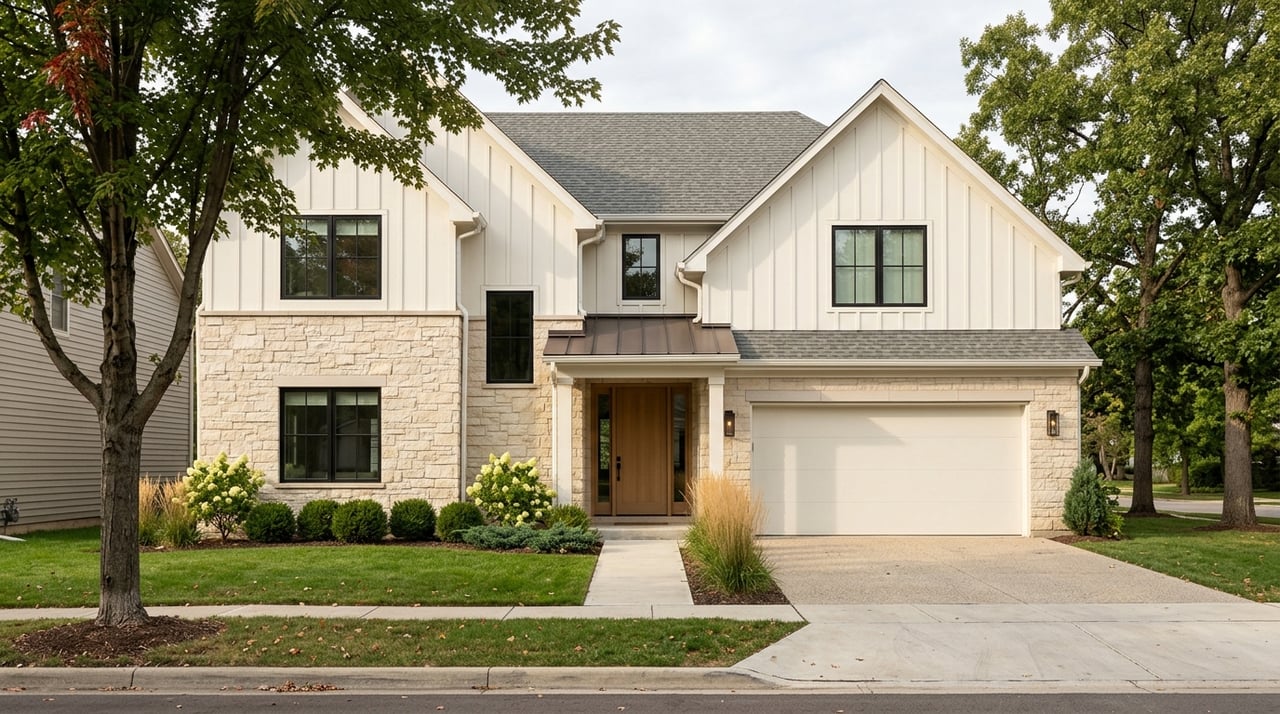
Munster is mainly an owner-occupied, single-family home community. Census data show an 87.0% owner-occupied housing rate, and town housing information says about 84% of homes are single-family.
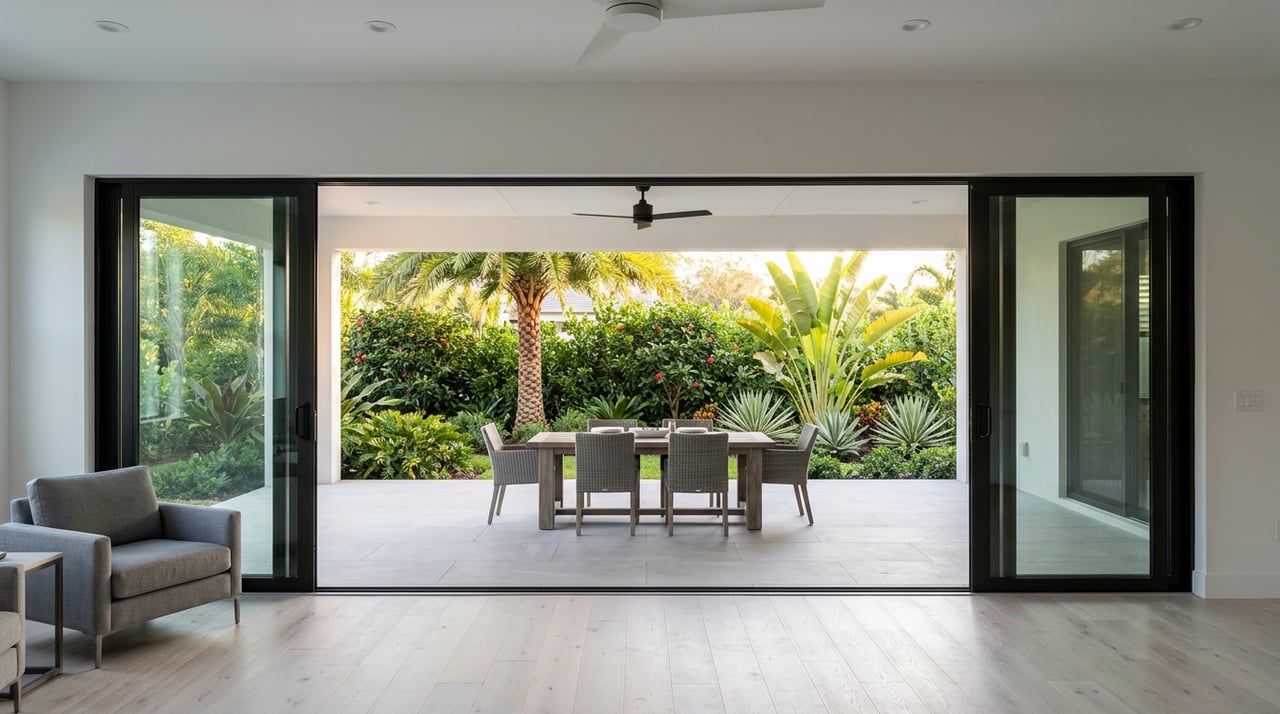
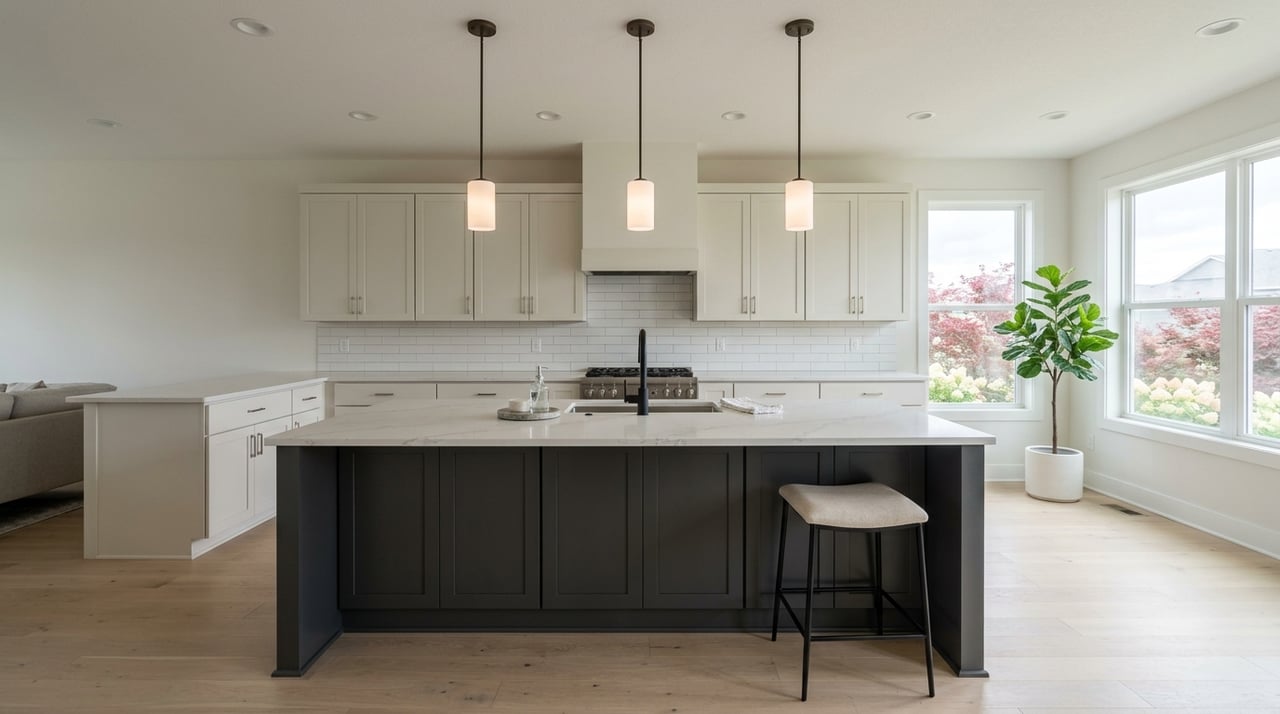
That matters if you are coming from a condo, apartment, or denser neighborhood in Chicago. In Munster, the typical housing experience is more likely to include a yard, driveway, and a traditional suburban street pattern rather than a multi-unit building.
Other home types are available
Single-family homes dominate, but they are not the only option. Town materials say buyers can also find condos, townhomes, apartments, older houses, and executive-style homes.
That gives relocating buyers some flexibility. If you want less maintenance, a condo or townhome may fit. If you want more square footage or a long-term move-up home, the single-family inventory will likely be the main focus.
Pricing sits in the mid- to high-$300s
Recent market snapshots place Munster home prices in a fairly consistent range. Zillow reported a median sale price of $363,224 in April 2026, Redfin reported a median sale price of $374,776 for the three months ending in May 2026, and Realtor.com reported a median listing price of about $377,000 in May 2026.
The key takeaway is that Munster is not a bargain-bin suburb, but it may offer a different value equation than many Chicago neighborhoods. You are generally shopping in a mature suburban market where space, ownership rates, and community amenities are part of the appeal.
How Competitive Is the Market?
Munster appears active, but not frantic. Recent data from Redfin and Realtor.com put typical market time at about 39 to 41 days.
For you, that can mean a bit more breathing room than in an ultra-fast market. Homes can still move quickly, especially if they are well-priced and well-presented, but the overall pace suggests a market where planning and preparation can still make a real difference.
Commuting From Munster to Chicago
Rail access is a real option
If you still need to reach downtown Chicago, Munster now has a stronger commuter story than many buyers realize. NICTD’s Monon Corridor commuter rail service began on March 31, 2026, and the Munster-area stops are Munster Ridge Station and Munster/Dyer Station.
According to NICTD project materials, the trip from Munster/Dyer Main Street to Millennium Station is about 47 minutes. For many relocating households, that makes Munster a realistic option for at least part-time or regular downtown commuting.
Driving and regional connections add flexibility
Munster also has access to major highways, which remains important for buyers whose work or family routines involve driving. If your job, errands, or weekend plans take you across Northwest Indiana or back toward Chicago, road access remains part of the town’s appeal.
For riders who do not want to rely only on a car, regional bus service also connects Munster with PACE, CTA, East Chicago Transit, and the South Shore Line. That layered transportation network can make day-to-day mobility easier than many suburban buyers expect.
Rail-adjacent living may feel calmer than expected
Some buyers worry that living near a commuter corridor means constant train noise. In 2026, a quiet-zone approval for Hammond and Munster removed routine train horn blasts along the Monon Corridor between Douglas Street in Hammond and Fisher Street in Munster, except in emergencies or when federally required.
That detail may matter more than you think during a home search. If you are considering homes near the rail line, it helps to know that everyday noise conditions may be more manageable than older assumptions suggest.
Everyday Life in Munster
Parks and trails shape the lifestyle
Munster has a well-developed parks system that supports an active suburban routine. Munster Parks and Recreation manages 345 acres, 25 parks, 20 playgrounds, miles of trails, a 9-hole golf course, a community pool, a community center, and a range of sports courts.
The town also has an 11-mile bike path that links neighborhoods, shopping areas, office parks, forest preserves, and greenways. That kind of connectivity can make a real difference if you want easy options for exercise, recreation, or short local trips without always getting in the car.
Community amenities are built into daily routines
Munster is often described by the town as quiet and neighborhood-oriented, with residents out walking, jogging, biking, and maintaining well-kept homes. That does not mean every block feels the same, but it does give you a reliable sense of the town’s overall character.
If you are leaving the city for a more residential setting, this is one of the biggest lifestyle shifts to expect. Munster is less about constant activity right outside your door and more about comfortable routines, nearby amenities, and a calmer home base.
Local services add convenience
Healthcare is a major practical consideration when you relocate, and Munster has a significant advantage here. Community Hospital, located at 901 MacArthur Blvd., has 458 beds, emergency care, and a broad mix of specialty services, including cardiovascular, maternal-neonatal, orthopedic, stroke, and rehabilitation services.
Having a major hospital in town can be a meaningful quality-of-life benefit. It is one more reason many households see Munster as more than just a commuter location.
What Families Often Notice First
The School Town of Munster says it serves about 4,100 students and includes multiple elementary schools, a middle school, and Munster High School. For relocating households, that means you are looking at a town with an established public school district as part of its local infrastructure.
Beyond schools, families often notice how much of daily life happens close to home. Parks, trails, community facilities, and civic spaces like Centennial Park and the Center for Visual and Performing Arts help give the town an organized, community-centered feel.
Is Munster a Good Fit for Your Move?
Munster can be a strong fit if you want suburban housing, owner-occupied neighborhoods, practical commuter options, and a lifestyle built around parks, local amenities, and a quieter pace than Chicago. It is especially appealing if your goal is to trade density for space while staying connected to the broader region.
It may be less ideal if you want a highly urban environment with dense transit, nightlife on every corner, or a housing stock dominated by apartments and condos. Munster offers access and convenience, but its identity is clearly suburban.
If you are weighing neighborhoods, home styles, or commute priorities, the right next step is often to compare your Chicago routine with the kind of day-to-day life you want next. That is where local guidance can make the search much more efficient.
If you are planning a move from Chicago to Northwest Indiana, the Gina Guarino Group can help you narrow your options, understand the Munster market, and find a home that fits the way you want to live.
FAQs
What types of homes are common in Munster, Indiana?
- Most homes in Munster are owner-occupied single-family homes, though you can also find condos, townhomes, apartments, older homes, and executive-style properties.
Can you commute from Munster, Indiana to downtown Chicago?
- Yes. Munster has Monon Corridor commuter rail service with Munster-area stations, and NICTD estimates about 47 minutes from Munster/Dyer Main Street to Millennium Station.
What is the typical home price in Munster, Indiana?
- Recent 2026 market snapshots place Munster in the mid- to high-$300,000 range, with reported figures around $363,224 to $377,000 depending on the source and metric.
Is Munster, Indiana more suburban than Chicago?
- Yes. Munster is described as quieter and more residential, with a suburban layout centered on neighborhoods, parks, and local amenities rather than dense city living.
What amenities does Munster, Indiana offer residents?
- Munster offers 25 parks, 20 playgrounds, miles of trails, an 11-mile bike path, a golf course, a community pool, a community center, cultural amenities, and a major local hospital.